Today, when we think of Thanksgiving we think of the myths we heard as children, the gifts and cards of gratitude made during school, and the classic Thanksgiving dishes like turkey, mashed potatoes, cornbread and more. Although you think of the simple things of this holiday, there is a deeper history to Thanksgiving.
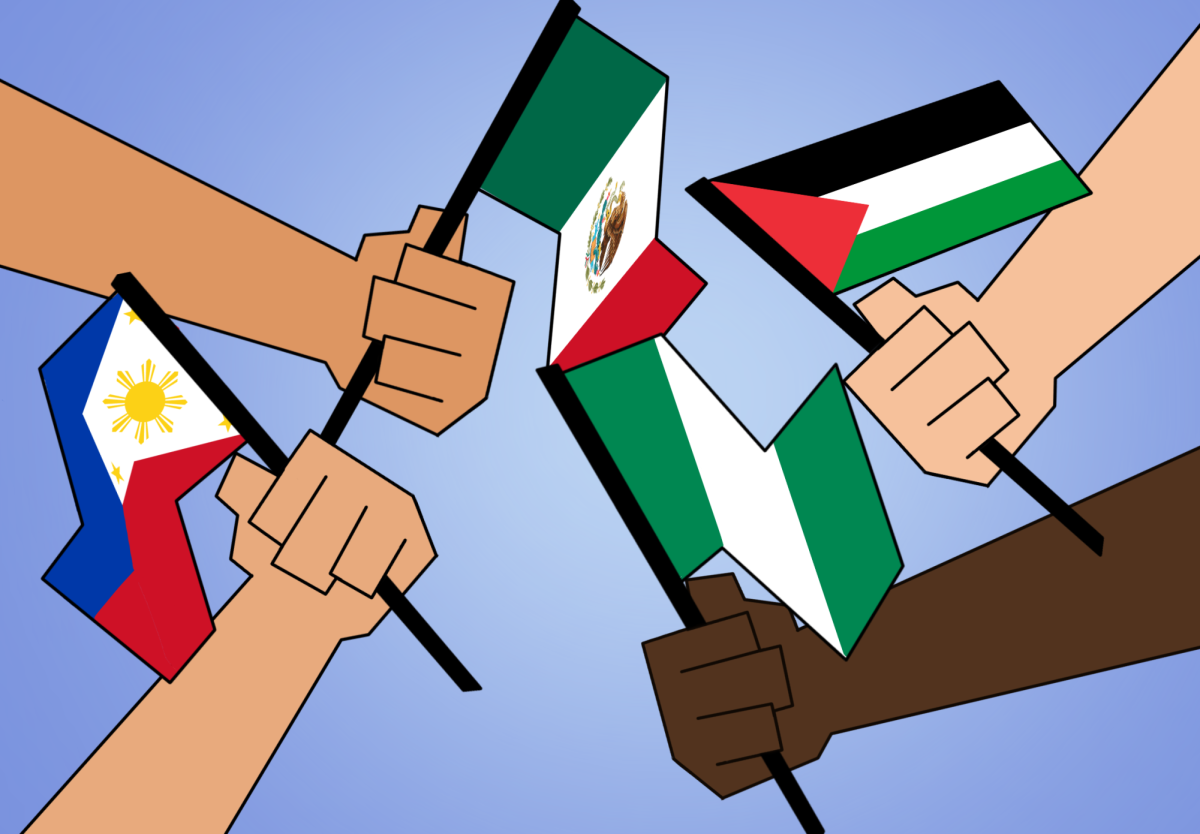
The most commonly believed origin of Thanksgiving begins in the autumn of 1621 when the Wampanoag leader, Massasoit, and 90 of his men joined 52 English settlers for a three-day harvest celebration at Plymouth, Massachusetts. A common myth is that the English settlers did not know of the Wampanoag people, but the truth is that they actually already knew of each other beforehand. They even traded goods such as animal furs, food, and wood from the Wampanoag people and tools, weapons, metals, glass, and cloth from the English men. The feast did not contain any of the “traditional” Thanksgiving foods of today; instead they ate venison, seafood like lobster and bass, corn, squash, beans, vegetables like onions, carrots, and cabbage, and wildfowl like ducks and geese. The English settlers, known as the Plymouth colonists, saw that event as a successful corn harvest as they had a difficult first winter and depended on the Wampanoag people. Even though the English settlers and the Wampanoag people were considered allies, they were not friends nor did the peaceful relationship last. In the span of decades, wars, diseases, and colonization broke out between the two communities.
Although this is remembered as the “First Thanksgiving,” nobody at the time used the term. For the English settlers, “Thanksgiving” were days of fasting and prayer; they themselves did not think of that memorable day as “The First Thanksgiving.” The day of Thanksgiving was only recognized as an official holiday in 1863 by President Abraham Lincoln, as he said that it was to be celebrated on the last Thursday of November. Lincoln established the holiday as a method to unify the country during the Civil War; the victory of the Union at Gettysburg is thought to be the root of this response as he proclaimed an invitation to Americans to be thankful for the successful year. This was actually an idea that was heavily enforced beforehand by magazine editor Sarah Josepha Hale, who had advocated for the holiday for several years.
Although Thanksgiving was to be celebrated on the last Thursday of November from 1863 and onwards, the date of Thanksgiving changed during the Great Depression. In 1939, President Franklin D. Roosevelt changed Thanksgiving from the last Thursday to the fourth Thursday of November. He did this as a way to boost the economy by elongating the holiday shopping season. This was not entirely accepted by the public, many states continued to celebrate Thanksgiving on the last Thursday while others started to celebrate it on the fourth Thursday. It was only two years later that Congress passed a law to permanently make Thanksgiving the fourth Thursday of November in 1941.
The origin story of Thanksgiving is one of the more complicated and altered holidays in American History. The version of the story differ based on their culture, religion, and values. The holiday ties back to many other historical events and allows us to understand how much of history is truly connected; it is a great representation of the different core values a person can have and how it can affect their depiction of history. Thanksgiving means something different to different people, so it’s important to not invalidate anybody’s personal beliefs and to always remain respectful as you could never know what something can truly mean to someone.