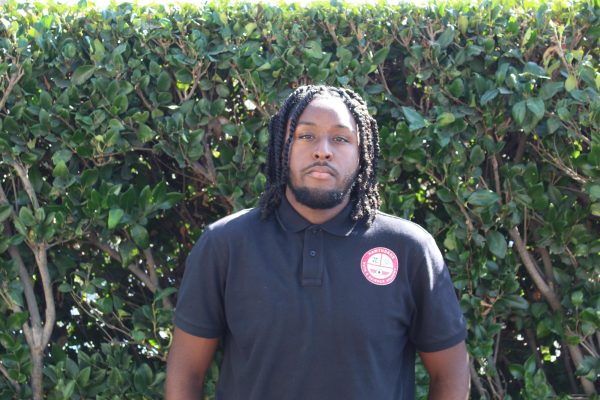
For a lot of students, paying for college can feel overwhelming or even impossible—but for Earl Coker, that challenge became an opportunity. Through programs like Thrive and QuestBridge, he turned years of hard work into a full four-year scholarship, showing how preparation, support, and determination can open doors to top colleges:
First, I want to go over what is the National College Scholarship and the process.The program is for low income and first generation college students, giving them the opportunity to apply to some of the top colleges for free and receive a 4 year scholarship alongside admission. It has two phases. You first apply to QuestBridge, where the team evaluates your potential and whether you may match with one of their college partners through your GPA, extracurriculars and letters of recommendations. This QuestBridge application is a real college application, and if accepted, it becomes the application the colleges you rank will review. QuestBridge currently partners with 55 colleges.
After being selected as a Questbridge Finalist, you rank up to 15 of these colleges. The ranked colleges receive your application and evaluate it. Here is the confusing part: if you rank Harvard number one and Stanford number two, and they both accept you, QuestBridge will match you with Harvard; You do not get to choose between the schools that accept you. If matched, you must attend that school and withdraw all other applications. Decisions come in early December.
My journey with matching to UPenn started with Thrive, and I advise any junior to apply because it is an amazing experience that will transform you. I left the program determined, and I worked really hard through my junior year. I then applied to be a QuestBridge College Prep Scholars. As a Prep Scholar, I got access to many virtual college tours, programs like PEEP (The Penn Early Exploration Program), and resources that helped me prepare for the National Match.
As a Prep Scholar, having early access started my QuestBridge application in July, even though the application opens in August. You must prepare and write ahead of time. I began with my personal statement and revised it all the way until the due date, September 30th. Not everyone needs this long to revise, but I did, and you should give yourself the most time to create your best work. Your work should show who you are. I also had over five different people read and critique my essays. Different people catch different things.

QuestBridge also requires seven short answer questions and a short writing exercise. I began these pieces at the beginning of August and revised them until the last day. Once the application opened, I focused on my extracurricular activities. You must rank your top five and write a 200-word essay on your number one choice. You need to explain your activities down to the smallest detail and list everything you have done. This matters because the 200-word activity essay requires depth, and the 35-word entries require extreme clarity. The rest of the application can be completed quickly, but make sure everything is accurate.
The activities you choose should match what you write about. You should think about what you want the reader to understand about you after reading your activities and essays. For writing, I have two tips: use our English teachers for help, and do not be vague, avoid contractions, avoid numbers (for example, one instead of “1”). My essay used an extended metaphor about driving, so take advantage of the literary devices we learn; they help you stand out.
Recommenders are another crucial part of the application. Every teacher at our school will support you, but the real question is which teacher knows your true character and can describe you accurately to colleges. The subject they teach also matters. I want a career in law and wrote about it often, so I asked two English teachers. If you want a STEM-related career, I advise asking a math or science teacher.
I was accepted as a finalist in late October. When I ranked schools, I only ranked schools I genuinely wanted to attend. I could have ranked 15, but I ranked 9. You should not rank schools you would not love to attend, because if you match, you must go. Before finalist decisions came out, I began writing my supplementals, as some schools require supplemental writing. You should write your supplementals before you are accepted as a finalist. Otherwise, you will only have about 10 days to submit them, which is not enough to produce your best writing. Writing early gives you time to revise and bolster your chance of acceptance. Even if you do not become a finalist, these supplementals can still be used for regular decision applications.
I did thorough research on each college. Colleges want to see that you know specific details about them. For UPenn, I wrote about their clubs, professors, and my participation in PEEP.
Overall, my main advice for applications is to always be honest, clear, and yourself. Readers will notice this and will appreciate truly understanding who you are.
Good luck!